What makes the “SaaS+APP” mode TMS become the standard in the APAC logistics market?

所属行业
客户规模
核心需求

A latest report, “Transportation Management Systems Market Insights – 2027”, published by Allied Market Research, states that the global transportation management system market was valued at $5,467 million in 2019, and is projected to reach $11,367 million by 2027, registering a CAGR of 9.6% from 2020 to 2027.

As an important part of the transportation supply chain, the transportation management system (TMS) aims to optimize and improve the transportation process and realize the real control of the whole cycle from cargo owners, 3PLs, carriers, drivers to customers.

With increasing complexities of logistics and transportation, the popularity of the TMS platform is continuously growing. According to recent studies, almost 35% of the businesses are now using the platform for managing their transportation network. Technically, TMS enables better transaction and communication to allow users to leverage from vast real-time data, make easier decisions, and plan & strategize for optimal transportation solutions.

The current market volatility has highlighted the significant role of the supply chains in the overall success and valuation of global corporations. Today’s supply chains are incredibly complex, with myriad partners spread across multiple regions as part of an unprecedented, intertwined global trade ecosystem. The COVID-19 pandemic has caused an enormous strain on the global supply chains as they rush to complete and ship orders as quickly as possible which is driving the adoption of transportation management systems among the end users, and accelerating the digital transformation of the transportation industry.

Preferred Mode of Transportation Management System Market

Nowadays, more and more cloud-based transportation management systems are sold as software-as-a-service (SaaS). This means that users subscribe to the technology on a monthly or annual basis instead of purchasing the technology outright. This is more cost-effective and users are always on the most recent version of the software, which provides opportunities for the overall growth of the market as well.

North America dominates the transportation management system market as the TMS industry, providing the largest revenue worldwide due to large number of players and industry columns. As the epidemic enters a normal control phase, the global supply chain is recovering in an orderly manner, international trade is growing, and the share of Asia Pacific will achieve a significant increase. And in recent years, the penetration rate of smart phones has been increasing and e-commerce in Asia Pacific has been developing rapidly. Therefore, TMS’s mobile APP mode will also gradually become the standard for the transportation management market in Asia Pacific.

The leading enterprises in various industries launched digital reform several years ago. As a pioneer of transportation management platform, oTMS has won the favor and recognition of many leading enterprises through the connecting multiple parties on a common workflow transportation management system since its launch in 2013. Using SaaS+mobile APP+API+IOT, oTMS covers road, express and multi-modal shipments within China mainland, incl. real-time visibility, freight cost management, optimization, billing, dock appointment and BI analytics.

As the Asia-Pacific region gradually keeps up with the digitalization process in North America, and the uncertainty in the global supply chain increases, enterprises need to know all the situations of their cargoes when they are transported at home and abroad to improve certainty and their own customer experience. oTMS has now realized the digital upgrade of international sea and air transportation on the product side. Through third-party pre-intergrating with shipping and air cargo companies as well as major ports and customs, it enables import and export logistics tracking and enhances overseas information control. This coverage keeps expanding.

In an complex environment, transportation management system is an important foundation for enterprises to move towards refined and intensive management. Especially for large enterprises with multinational business, increasing the digital transformation of logistics can accumulate more power to improve comprehensive competitiveness. oTMS always insists on pioneering and innovation to help enterprises’ business growth through advanced technology and perfect products.
怎么建立和扩大优质的承运商池? oTMS教你运输社交新方法

所属行业
客户规模
核心需求

如何在控制成本的情况下找到非常合适的运力?这一个问题是几乎困扰着每一位甲方物流人员。大型的第三方物流公司服务好,线路覆盖也较为全面,但价格往往比较贵;而引入新的中小型的物流公司,虽然能有一定的价格优势,但由于没有过往合作的参考,会增加操作成本和操作风险。

要解决这一问题,唯有建立足够大的供应商池,货主才能在招标或询价过程中充分地对比,并且获悉贴近市场行情的真实水平。oTMS于今年8月升级推出一站式招投标平台“友货来”,集合强大运力资源及平台智能数据算法,帮助货主解决运力寻源的大问题。今天,oTMS支招,如何通过友货来建立和扩大优质的承运商池


1.合适的伙伴推荐您,不合适的伙伴隐藏掉

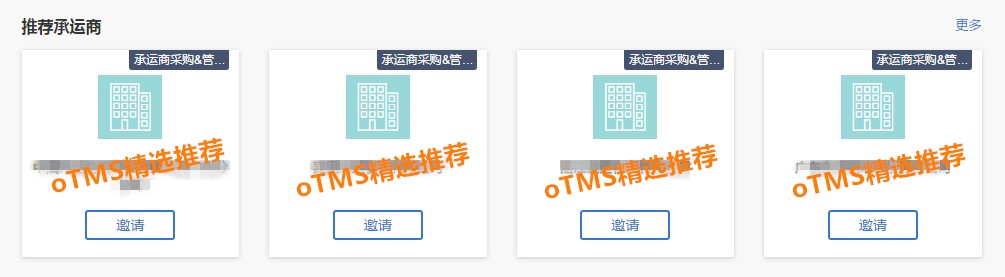
友货来通过平台算法,将基于您的需求自动推荐承运商,初步筛选与您业务需求不符合的运力,省时省力。


2.邀约更多承运商加入您的招标
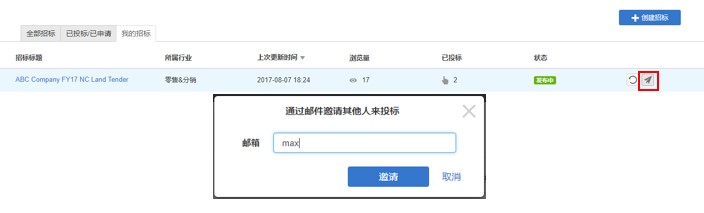
您可以邀约平台承运商,也可邮件邀约自有承运商加入您的招标,同时满足对于辛劳承运商的需求。


3.感兴趣的能联系,没兴趣的免打扰
您可将感兴趣的承运商加入到您“候选承运商”名单,只有名单内的承运商才可与您互看联系方式,从而减少不必要的沟通成本。


4.承运商准入评估问卷,全面了解承运商,合不合适分数决定

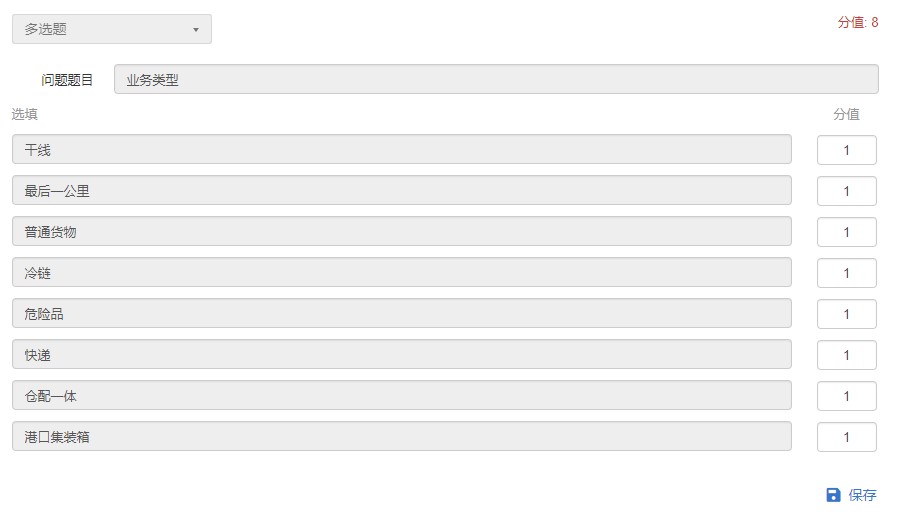
您可在线设置发送承运商评估问卷,轻松了解评估承运商。在线问卷一键发,问题分值自由设,候选运力轻松邀,答卷结果简单看。


通过以上功能的运用,扩大靠谱承运商池不再无从下手,这也正是oTMS友货来想要解决的招投标痛点之一。友货来致力于帮助货主寻找可靠、符合业务特性的承运商资源,智能、高效地链接货主方与承运商方,达成两者双赢。


oTMS – 让运输更轻松

相关信息:TMStms系统物流运输管理系统物流管理软件物流管理系统物流运输系统运输管理系统物流管理信息系统物流公司管理系统运输公司管理系统

Empty Talk Without Execution Fails KPI’s – Part 1

所属行业
客户规模
核心需求

Four Core Measures To Achieve The Set KPI Targets

In my previous post, I talked about the importance of identifying, defining, setting targets for, and prioritizing KPI’s to measure the performance of a shipper’s supply chain (as well as for one’s life, but at the risk of hubris I’ll stay focused on transportation management). If you can’t measure it, you can’t improve it. Establishing KPI’s is the first step of a larger approach for continuous improvement. The next step is to take an inward look at the current transportation execution and management process work flows. With the KPI plan set, now it’s time to work that plan.

I. Document The Current Work Flows


As an organization strives for continuous improvement within their transportation management, not only is being able to measure performance critical, but so is documenting the current work flows that are being operated to achieve the set KPI targets.

Documenting the transportation execution and management process work flows along with the associated SOP’s should not be an exercise isolated to logistics alone. All departments including, but not limited to transportation, shipping, warehouse, manufacturing, customer service, finance, and maybe others, depending on the company, should be engaged.

II. Gap Analysis & Pain Points Discovery


Once there is a clear understanding of how the transportation execution is currently being managed then the next step of gap analysis and pain point discovery can be done.

As the current transportation execution and management process work flows are being documented “real-time”gap analysis will happen, but it is important to have a formal exercise to identify the pain points within those current work flows that may have an impact on the set KPIs.

Again, stakeholders from multiple departments should be part of this assessment so a comprehensive review is done to get a complete understanding of where changes need to be made in the current operations so the KPI targets can be achieved.

III. Create Solutions To Close The Gap


KPIs are established, current work flows documented, pain points identified; next is creating solutions to close the identified gaps that are causing pain points within the transportation execution operations.

Internal knowledge, industry best practices, and other process changes can be implemented to close these gaps, but ideally, technology, like a transportation management system (TMS), is leveraged as well to support the improvement of the current operations.

Technologies like a TMS can help a shipper maximize productivity, save time, and enable faster, better decision making. When utilizing the right TMS it can create value for a shipper by reducing costs, increasing visibility, and providing greater flexibility as changes occur within their network. With a combination of technology and process change a shipper can quickly and more efficiently close the gaps within their transportation execution operations to aid them in achieving their KPI goals.

IV.Prioritize Work With SOPs


Once solutions have been created to close the gaps of the current operations pain points then future, ideal-state transportation execution and management processes need to be created along with the associated SOPs. This will be the way moving forward that the transportation will be executed and managed to ensure KPI targets are met.

“Plan your work, work your plan.” With KPIs established and operations optimized a shipper can now begin to work their plan. Implementation and change management will be critical to success and should not be overlooked by a shipper. Again, stakeholders from multiple departments should be engaged to ensure success. Once operations are live the next step will be to measure and monitor the set KPIs. To guide in doing this, in my next post I will talk about the importance of accurate, actionable data along with user-friendly and easily accessible reporting and business intelligence.

Author

Adam DavisVP of Managed Services in oTMS, responsible for SaaS TMS, transportation process control and consulting services, with 16 years senior management experience. General Manager of TMC Asia Pacific in C.H. Robinson since 2010.