怎么建立和扩大优质的承运商池? oTMS教你运输社交新方法

所属行业
客户规模
核心需求

如何在控制成本的情况下找到非常合适的运力?这一个问题是几乎困扰着每一位甲方物流人员。大型的第三方物流公司服务好,线路覆盖也较为全面,但价格往往比较贵;而引入新的中小型的物流公司,虽然能有一定的价格优势,但由于没有过往合作的参考,会增加操作成本和操作风险。

要解决这一问题,唯有建立足够大的供应商池,货主才能在招标或询价过程中充分地对比,并且获悉贴近市场行情的真实水平。oTMS于今年8月升级推出一站式招投标平台“友货来”,集合强大运力资源及平台智能数据算法,帮助货主解决运力寻源的大问题。今天,oTMS支招,如何通过友货来建立和扩大优质的承运商池


1.合适的伙伴推荐您,不合适的伙伴隐藏掉

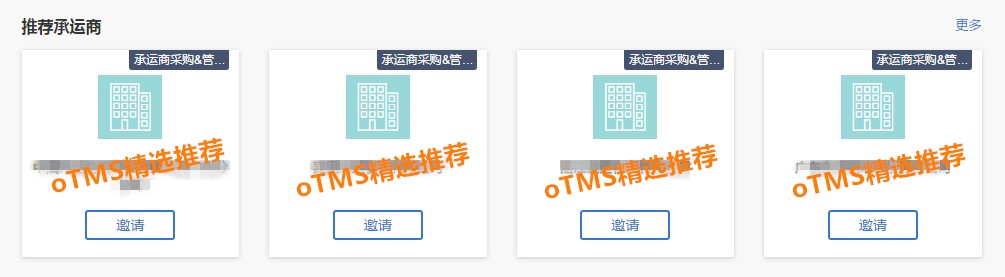
友货来通过平台算法,将基于您的需求自动推荐承运商,初步筛选与您业务需求不符合的运力,省时省力。


2.邀约更多承运商加入您的招标
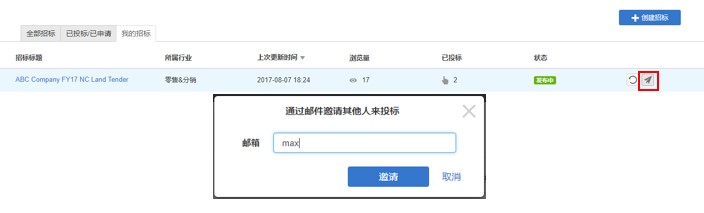
您可以邀约平台承运商,也可邮件邀约自有承运商加入您的招标,同时满足对于辛劳承运商的需求。


3.感兴趣的能联系,没兴趣的免打扰
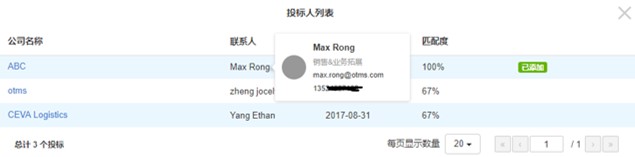
您可将感兴趣的承运商加入到您“候选承运商”名单,只有名单内的承运商才可与您互看联系方式,从而减少不必要的沟通成本。


4.承运商准入评估问卷,全面了解承运商,合不合适分数决定

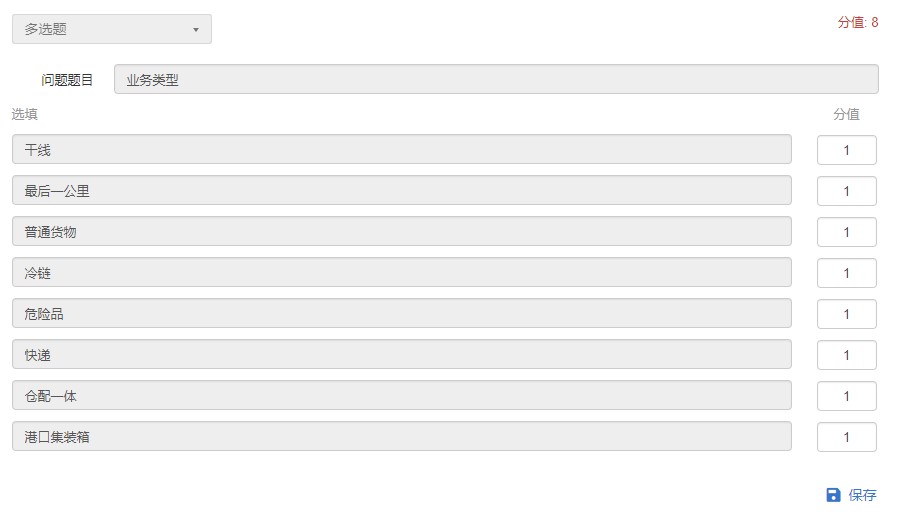
您可在线设置发送承运商评估问卷,轻松了解评估承运商。在线问卷一键发,问题分值自由设,候选运力轻松邀,答卷结果简单看。


通过以上功能的运用,扩大靠谱承运商池不再无从下手,这也正是oTMS友货来想要解决的招投标痛点之一。友货来致力于帮助货主寻找可靠、符合业务特性的承运商资源,智能、高效地链接货主方与承运商方,达成两者双赢。


oTMS – 让运输更轻松

相关信息:TMStms系统物流运输管理系统物流管理软件物流管理系统物流运输系统运输管理系统物流管理信息系统物流公司管理系统运输公司管理系统

Empty Talk Without Execution Fails KPI’s – Part 1

所属行业
客户规模
核心需求

Four Core Measures To Achieve The Set KPI Targets

In my previous post, I talked about the importance of identifying, defining, setting targets for, and prioritizing KPI’s to measure the performance of a shipper’s supply chain (as well as for one’s life, but at the risk of hubris I’ll stay focused on transportation management). If you can’t measure it, you can’t improve it. Establishing KPI’s is the first step of a larger approach for continuous improvement. The next step is to take an inward look at the current transportation execution and management process work flows. With the KPI plan set, now it’s time to work that plan.

I. Document The Current Work Flows


As an organization strives for continuous improvement within their transportation management, not only is being able to measure performance critical, but so is documenting the current work flows that are being operated to achieve the set KPI targets.

Documenting the transportation execution and management process work flows along with the associated SOP’s should not be an exercise isolated to logistics alone. All departments including, but not limited to transportation, shipping, warehouse, manufacturing, customer service, finance, and maybe others, depending on the company, should be engaged.

II. Gap Analysis & Pain Points Discovery


Once there is a clear understanding of how the transportation execution is currently being managed then the next step of gap analysis and pain point discovery can be done.

As the current transportation execution and management process work flows are being documented “real-time”gap analysis will happen, but it is important to have a formal exercise to identify the pain points within those current work flows that may have an impact on the set KPIs.

Again, stakeholders from multiple departments should be part of this assessment so a comprehensive review is done to get a complete understanding of where changes need to be made in the current operations so the KPI targets can be achieved.

III. Create Solutions To Close The Gap


KPIs are established, current work flows documented, pain points identified; next is creating solutions to close the identified gaps that are causing pain points within the transportation execution operations.

Internal knowledge, industry best practices, and other process changes can be implemented to close these gaps, but ideally, technology, like a transportation management system (TMS), is leveraged as well to support the improvement of the current operations.

Technologies like a TMS can help a shipper maximize productivity, save time, and enable faster, better decision making. When utilizing the right TMS it can create value for a shipper by reducing costs, increasing visibility, and providing greater flexibility as changes occur within their network. With a combination of technology and process change a shipper can quickly and more efficiently close the gaps within their transportation execution operations to aid them in achieving their KPI goals.

IV.Prioritize Work With SOPs


Once solutions have been created to close the gaps of the current operations pain points then future, ideal-state transportation execution and management processes need to be created along with the associated SOPs. This will be the way moving forward that the transportation will be executed and managed to ensure KPI targets are met.

“Plan your work, work your plan.” With KPIs established and operations optimized a shipper can now begin to work their plan. Implementation and change management will be critical to success and should not be overlooked by a shipper. Again, stakeholders from multiple departments should be engaged to ensure success. Once operations are live the next step will be to measure and monitor the set KPIs. To guide in doing this, in my next post I will talk about the importance of accurate, actionable data along with user-friendly and easily accessible reporting and business intelligence.

Author

Adam DavisVP of Managed Services in oTMS, responsible for SaaS TMS, transportation process control and consulting services, with 16 years senior management experience. General Manager of TMC Asia Pacific in C.H. Robinson since 2010.

KPIs: In Life & Transportation Management

所属行业
客户规模
核心需求

Four Steps to Establish KPIs for Your Supply Chain

Introduction: KPIs, metrics, goals, deliverables – no matter what you call them we are all given some version of them for our jobs. We set KPIs as a way to monitor and measure performance. It’s a practice with an almost 100% adoption rate and has proven a successful way to ensure goals are set and achieved. If the deliverables are not met then it can be an indicator that changes may need to be made. 

Establishing KPIs and creating action plans to achieve the KPI targets is a no-brainer for transportation management and the same should be applied to one’s life. What are your “life KPIs” and how are you measuring your own personal performance? “Where do you see yourself in five years?” is a common interview question, but if you don’t have KPIs in place how do you really know if you’ve achieved what you set out to achieve year-over-year? To truly measure performance in life or transportation management you first need to establish KPIs. For today though, let’s tackle the latter and the importance of setting KPIs to manage your supply chain. 

I. The Right KPIs 

If the first step is understanding that KPIs are needed to help an organization monitor and measure their supply chain performance, then the next step is to identify  the right KPIs for your businessTo assist in doing this there are many resources out there from advisory and consulting firms like Gartner , but the organization themselves should know their own business the best and must determine what the right KPIs are for them.  

Ideally, they will start by collecting feedback and data from key stakeholders of each department in the company, not just logistics. The departmental silos must be removed within an organization as transportation effects every part of the business and insight from the different groups can be invaluable to ensure the right KPIs are set. If the wrong KPIs are used to monitor and measure the performance of a business the effects could be as detrimental or worse than not having any KPIs at all. 


II. The Right Data Source 

Once the right KPIs have been established then it must be decided what data source will be used to calculate each KPIs performance. Many company’s try to use an ERP or WMS or even *gasp* Excel as the data source, but the most efficient way to collect and collate data for true transportation management is by leveraging a transportation management system (TMS). The best TMS’ will provide business intelligence that includes dashboards and scorecards that allow a shipper to make quick and confident decisions as they aim to manage a data-driven and connected supply chain. 


III. The Right Targets & Prioritization 

Once the right KPIs have been established and the data source determined then targets for each KPI must be set and the KPIs prioritized. Historical performance or industry benchmarks are common ways an organization can set their KPI targets, but that should not be the end-all-be-all. Every company, every business is different, which means their KPIs and those targets may need to be different as well.  

Again, key stakeholders from different departments should be part of this discussion in not only identifying what the right KPIs are, but also in setting the targets. Prioritization of the KPIs is essential as well as it is expected that there will be conflicting interests between the stakeholders. For example, for on-time delivery, customer service may require that the target be 95%, but to achieve this it will increase the transportation costs by 8%. An organization must understand their business and prioritize their KPIs to find the right balance. 


IV. The Right Review 

Whether it be in life or transportation management, having the right KPIs will help to ensure success, although that alone will not guarantee it. Every task, project, etc. a person does in life or a company does in managing their supply chain must be aligned with and have an impact on the KPIs that have been identified as the best way to monitor and measure performance. If they do not, then questions must be asked such as why are we working on this project? Or if truly the right actions are being taken, but they don’t have an impact on the established KPIs then the question must be asked, do we have the right KPIs? This continual review will help keep all of the stakeholders aligned and moving in-sync toward achieving the KPI targets. 


Conclusion: KPIs, in life & transportation management, are a part of what my own father always tells me, “Plan your work, work your plan.” If you can’t measure it, you can’t improve it; using these four steps as a guide to help in identifying, defining, and setting targets for your KPIs in your life or managing your supply chain will allow for continuous improvement, but now the real work begins – working your plan. 

Author

Adam DavisVP of Managed Services in oTMS, responsible for SaaS TMS, transportation process control and consulting services, with 16 years senior management experience. General Manager of TMC Asia Pacific in C.H. Robinson since 2010.